Support and transportation
Confirm panel dimensions, weight and manual or powered handling needs.
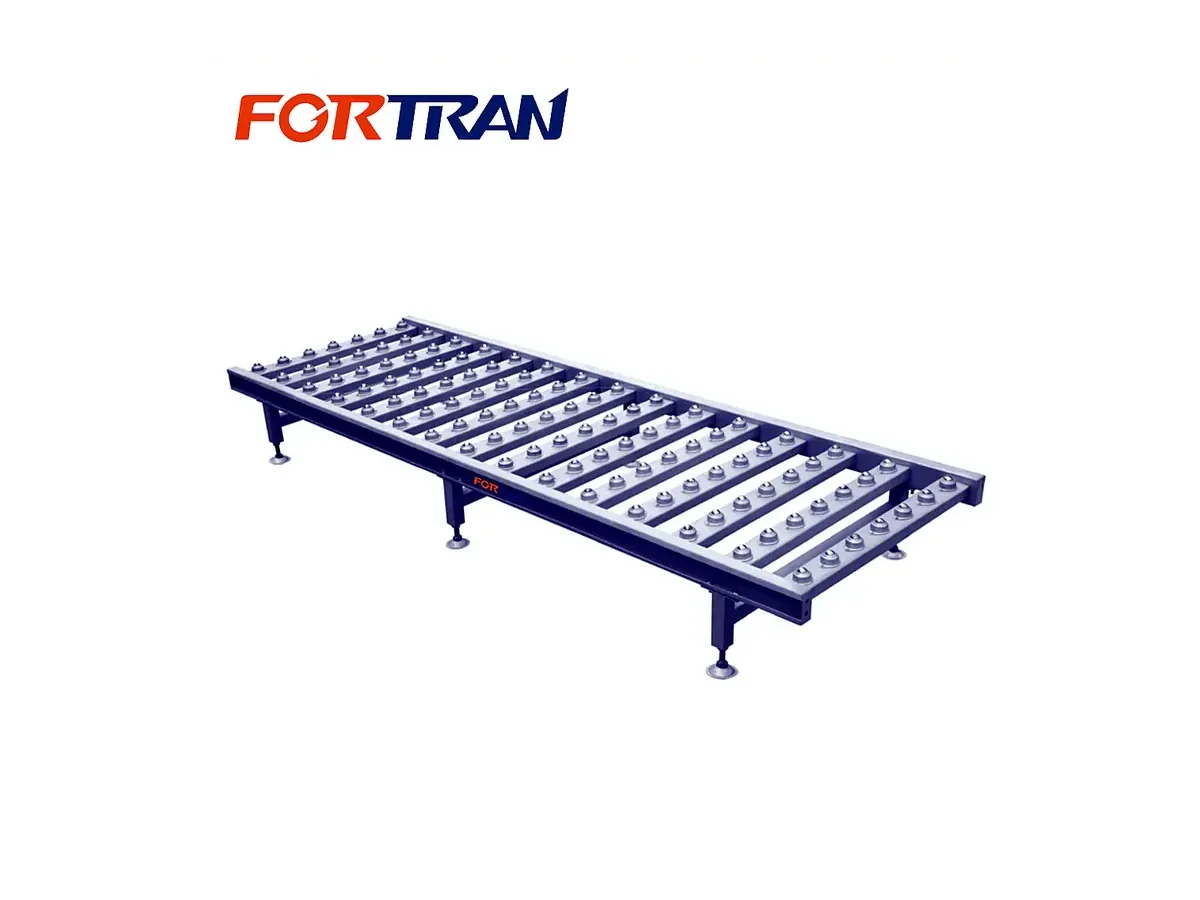
FORTRAN ball transfer table for multidirectional wood-panel positioning. Match underside contact, support spacing and the manual handling task.
FORTRAN ball transfer table for multidirectional wood-panel positioning. Match underside contact, support spacing and the manual handling task.
Confirm panel dimensions, weight and manual or powered handling needs.
Check adjacent equipment heights and conveying direction.
Select straight conveyors, turning equipment or mobile transfer units for the layout.
Share workpiece dimensions, load and site requirements so FORTRAN can confirm the suitable configuration and technical parameters.
A ball transfer table supports manual multidirectional movement and positioning of wood panels at a workstation. Its ball-transfer units allow the operator to adjust the panel position across the working surface. This differs from a roller conveyor with a defined transport path and from a machine that turns a panel onto its opposite face.
Start with the panel underside and the intended handling task. Surface finish, flatness, openings, dimensions and weight affect the support arrangement that needs review. Check the transitions to adjacent surfaces with representative workpieces. A ball transfer platform is not, by itself, a powered conveying system or a guarantee that every finish can be handled without marking.
Show how the operator must move or rotate the panel at the workstation. Confirm underside support, surface condition and the receiving edge; a ball-transfer surface differs from a powered conveying path.
Ball-transfer units let an operator move and position the panel in several directions on the table. A roller conveyor follows its roller and line arrangement. Confirm panel bottom contact, support spacing, working height and the handover to adjacent equipment; the ball table alone does not establish powered conveying.
Use the required movement as the starting point. A workstation may need an operator to reposition a panel in several directions, while a conveying task may need controlled movement along an agreed route. Provide the panel range, underside condition and transfer sequence so the proposed support and movement arrangement can be selected for that task.
Show the underside finish, flatness, openings, dimensions and weight, together with the required movement or rotation. Review the proposed support points and transitions to adjacent surfaces. Confirm contact suitability with representative workpieces and the intended manual handling arrangement.
Compare panel conveyor and transfer arrangements
Discuss this ball transfer platform for roller conveyor linesProduct image
Download imageChinese / English specifications
Download detailsData version: 2026-09-30· Original product source
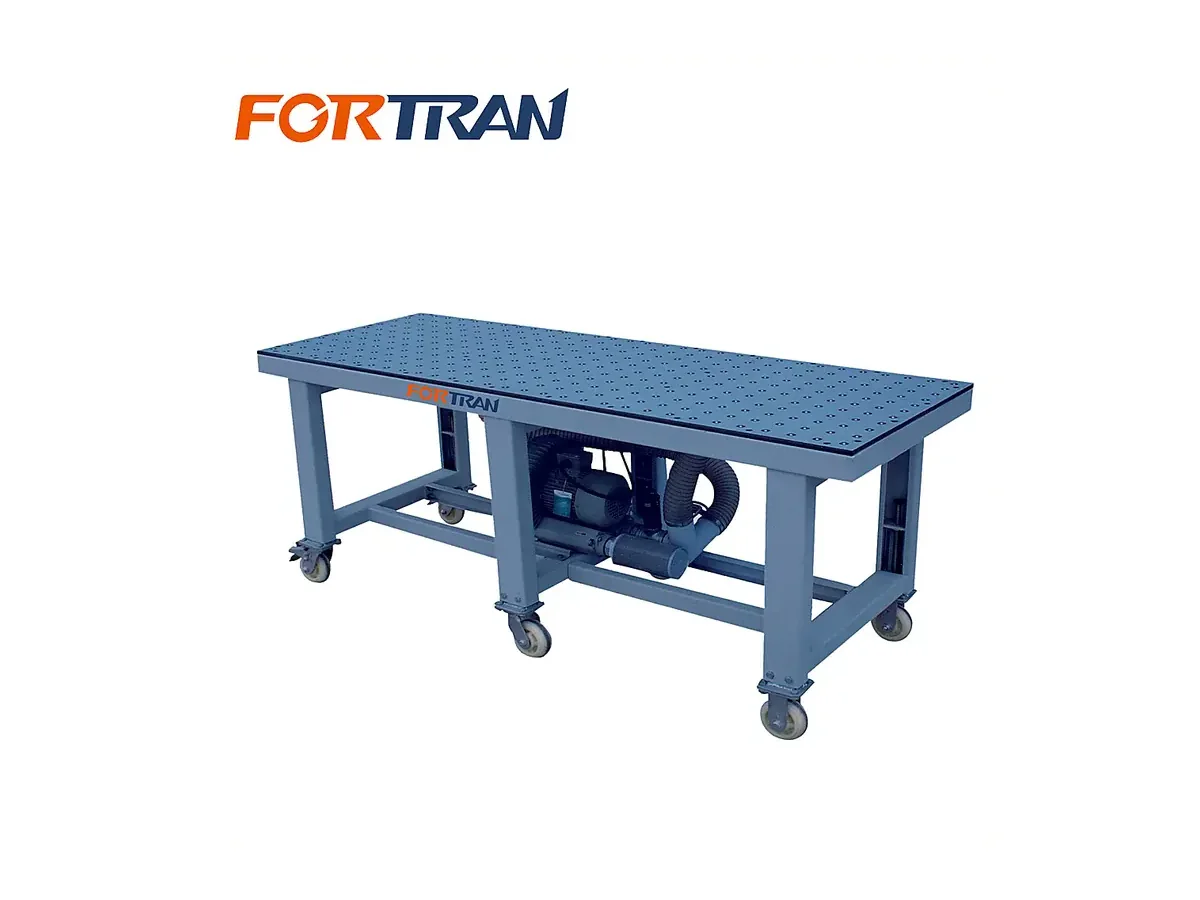
FORTRAN air flotation table for positioning wood panels. Discuss panel underside, manual movement and the transition to adjoining workstations for selection.
View product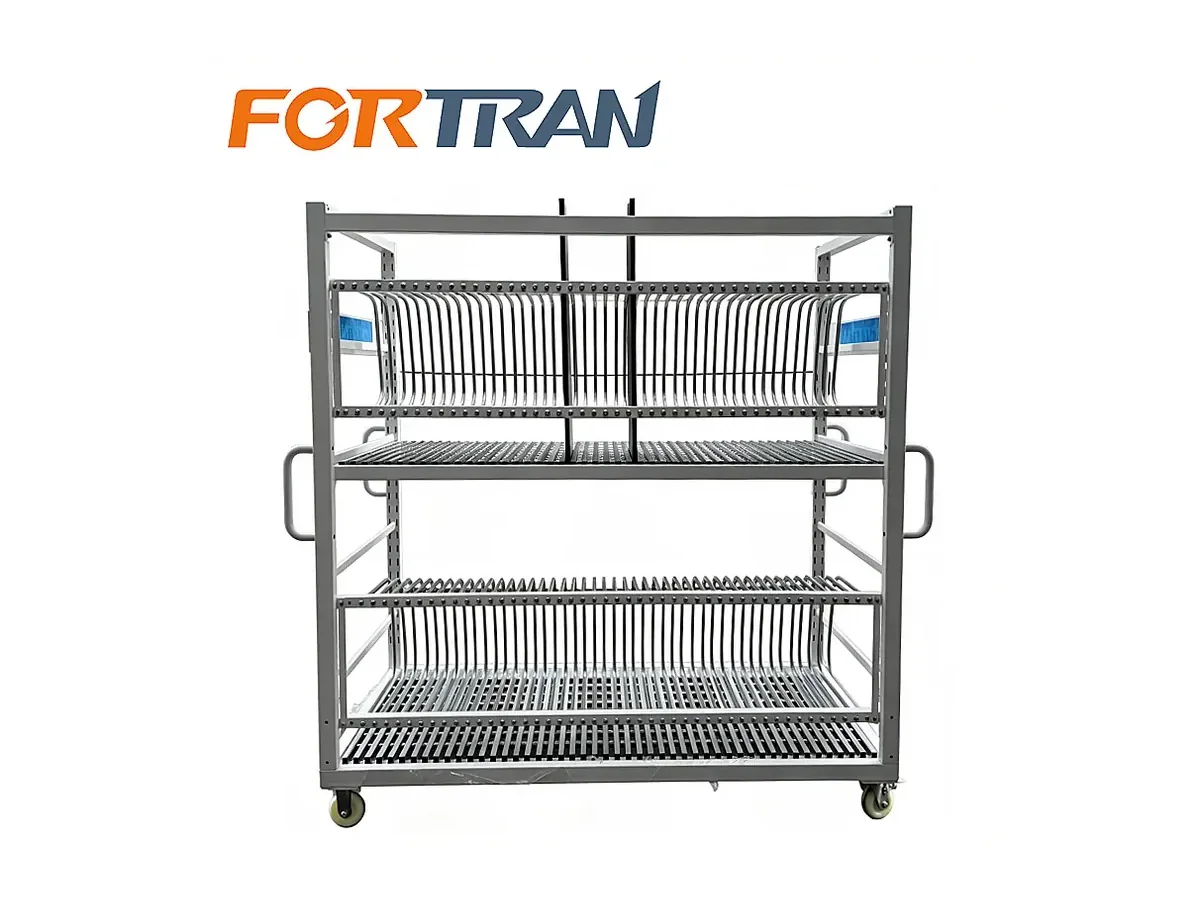
FORTRAN double-tier slat-style rack for furniture offcuts and edge-banding strips. Plan material sizes, storage positions and workstation access.
View product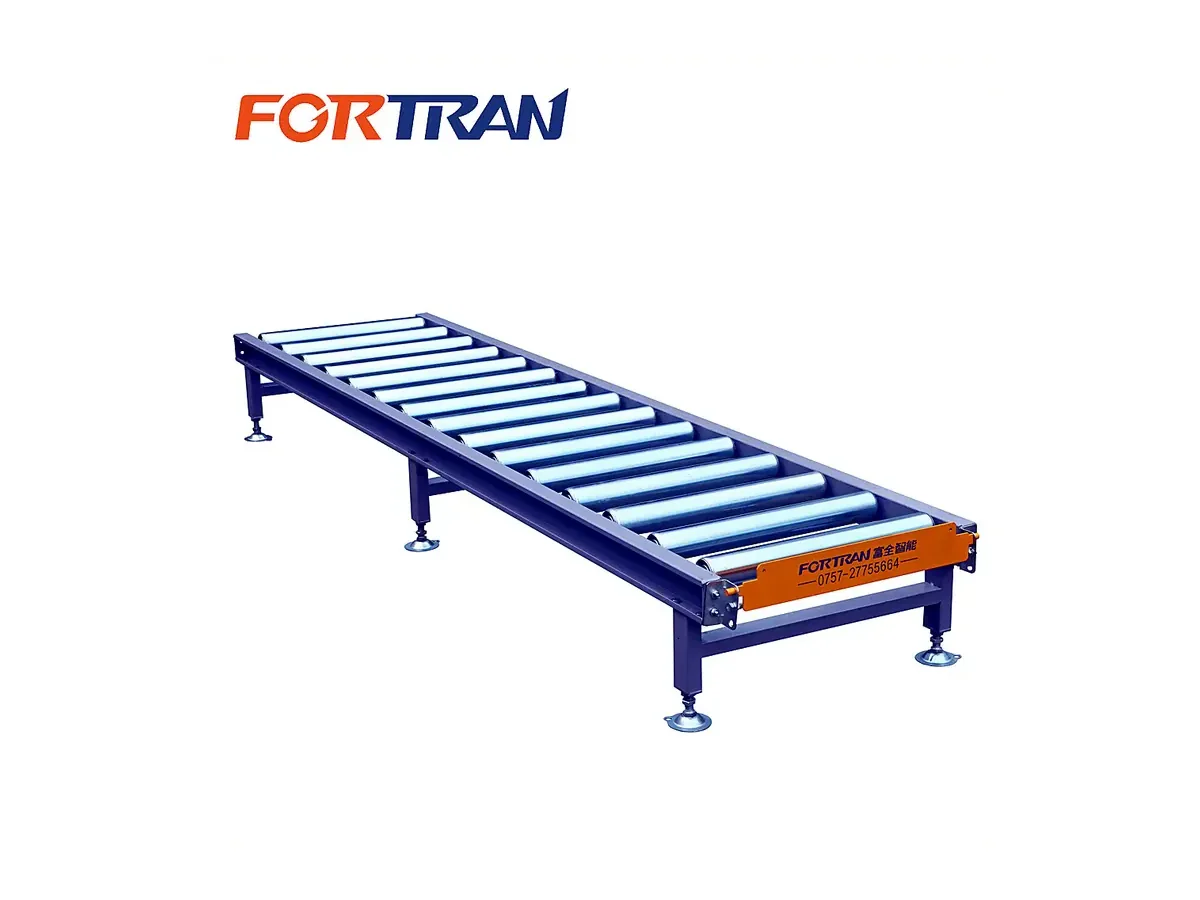
FORTRAN unpowered roller conveyor for furniture panels and packages. Define manual or gravity-assisted movement, underside support and stopping points.
View productPackaging · Conveying · Lifting · Loading · Cleaning