Support and transportation
Confirm panel dimensions, weight and manual or powered handling needs.
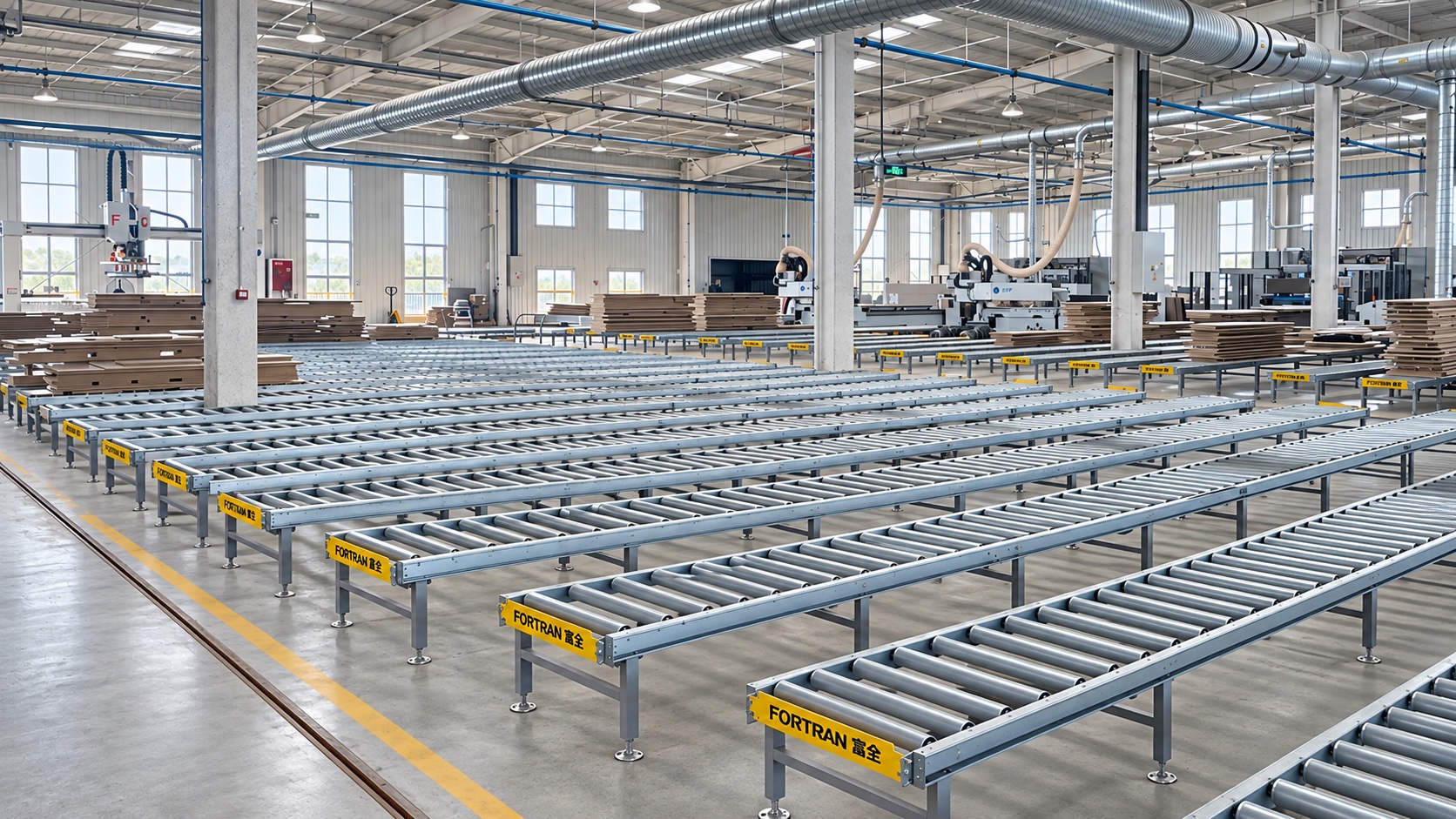
Connect workstations with panel support, directional transfer and working-height alignment.
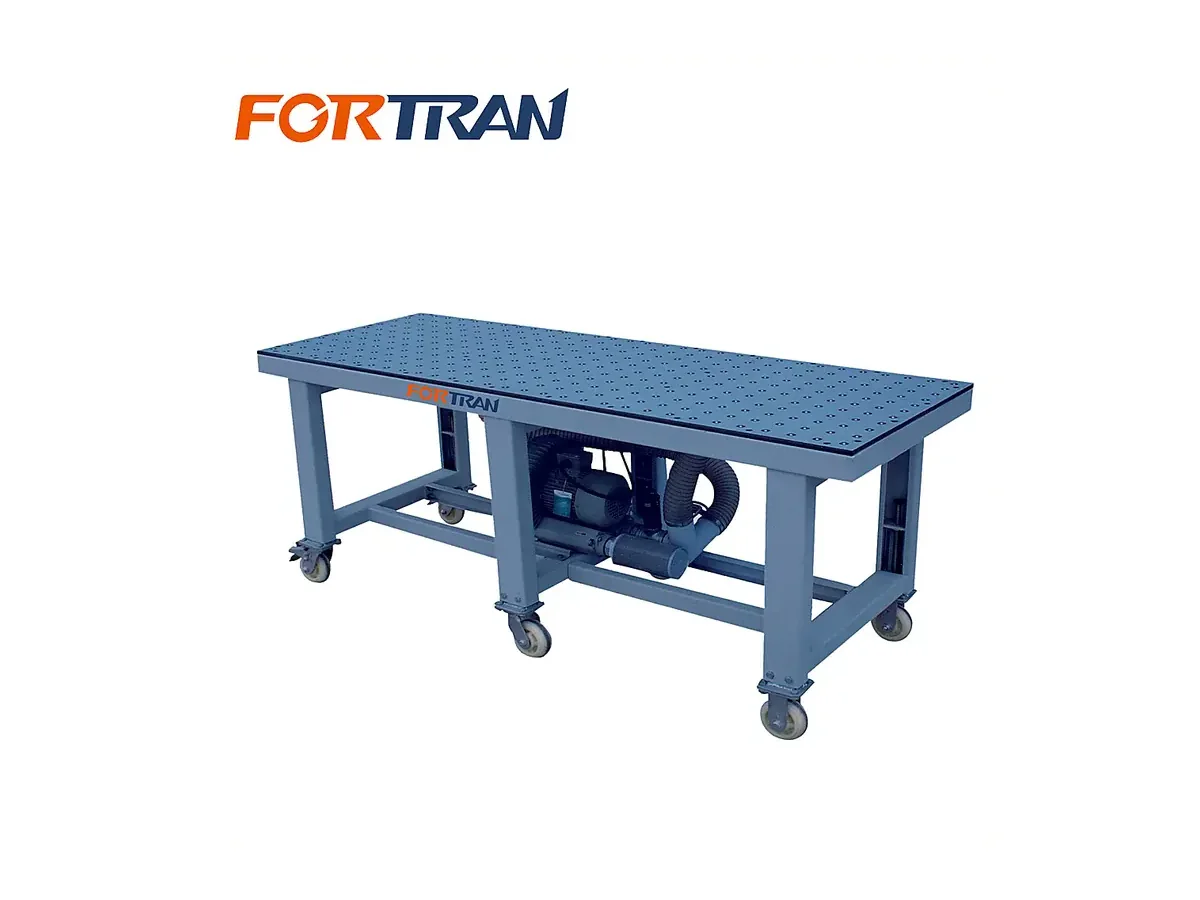
FORTRAN air flotation table for positioning wood panels. Discuss panel underside, manual movement and the transition to adjoining workstations for selection.
View product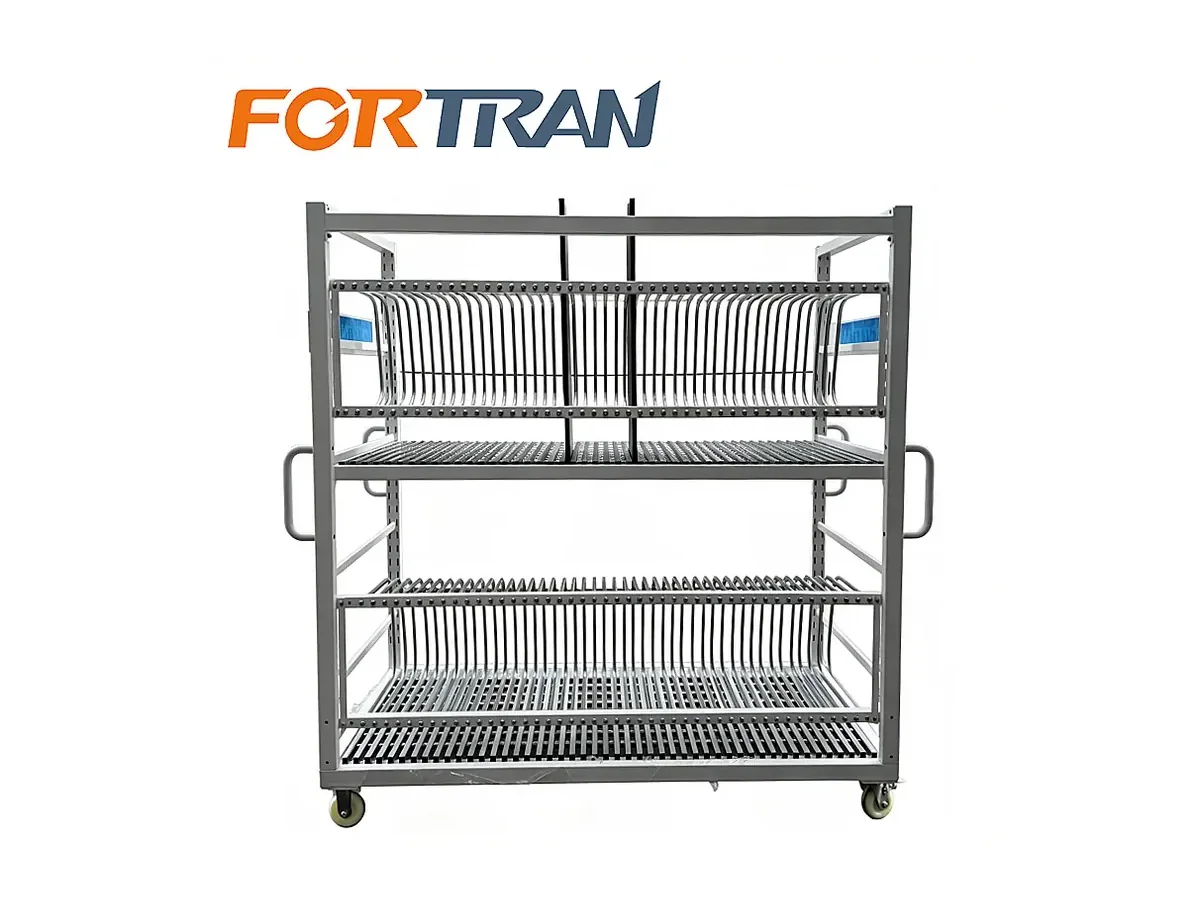
FORTRAN double-tier slat-style rack for furniture offcuts and edge-banding strips. Plan material sizes, storage positions and workstation access.
View product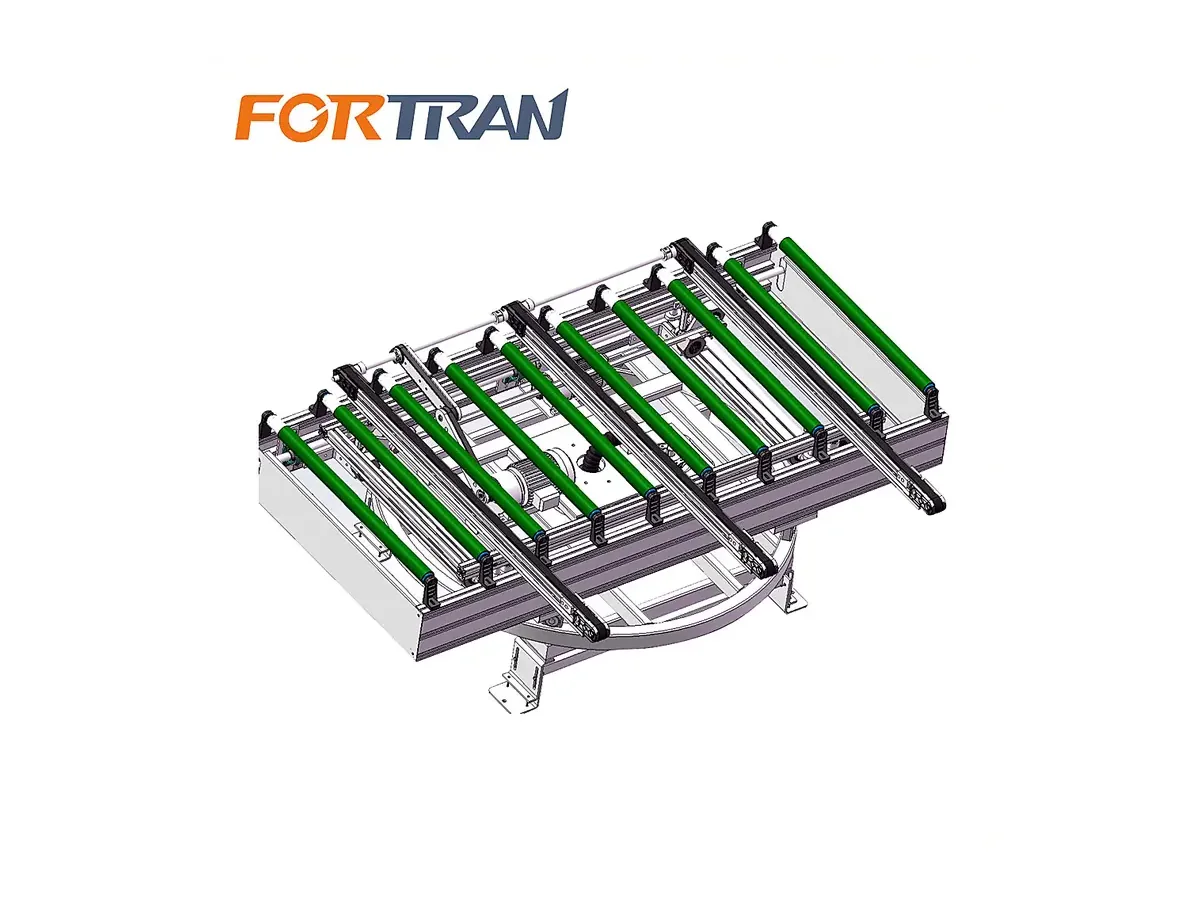
FORTRAN 180-degree wood panel turnover machine, FQ-YFBJ24. Review panel support, face orientation and conveyor connections for the intended process.
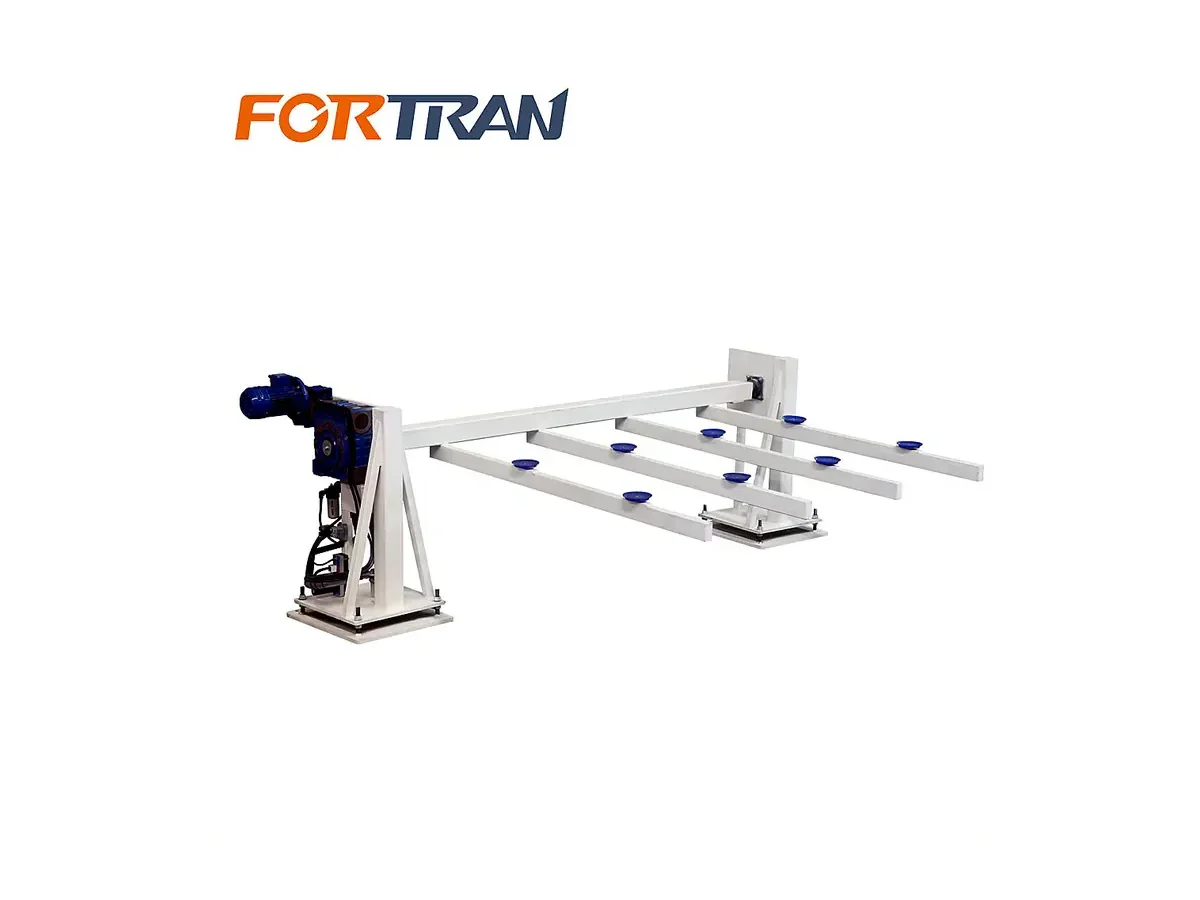
FORTRAN vacuum-type panel turnover machine for woodworking. Review pickup contact, panel openings and face orientation with the actual workpiece range.
View product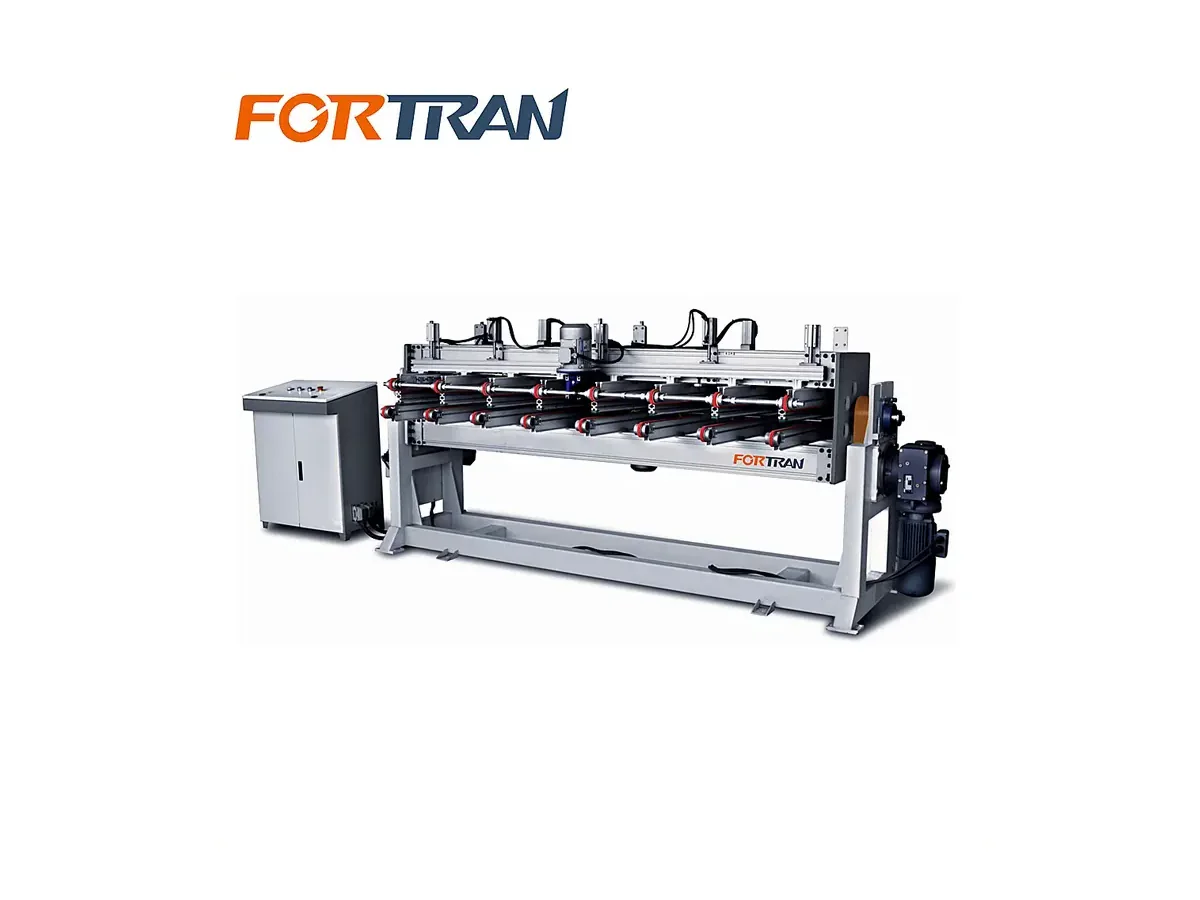
FORTRAN horizontal panel turning station for connected conveyor processes. Specify entry and exit orientation, support and the required handling movement.
View product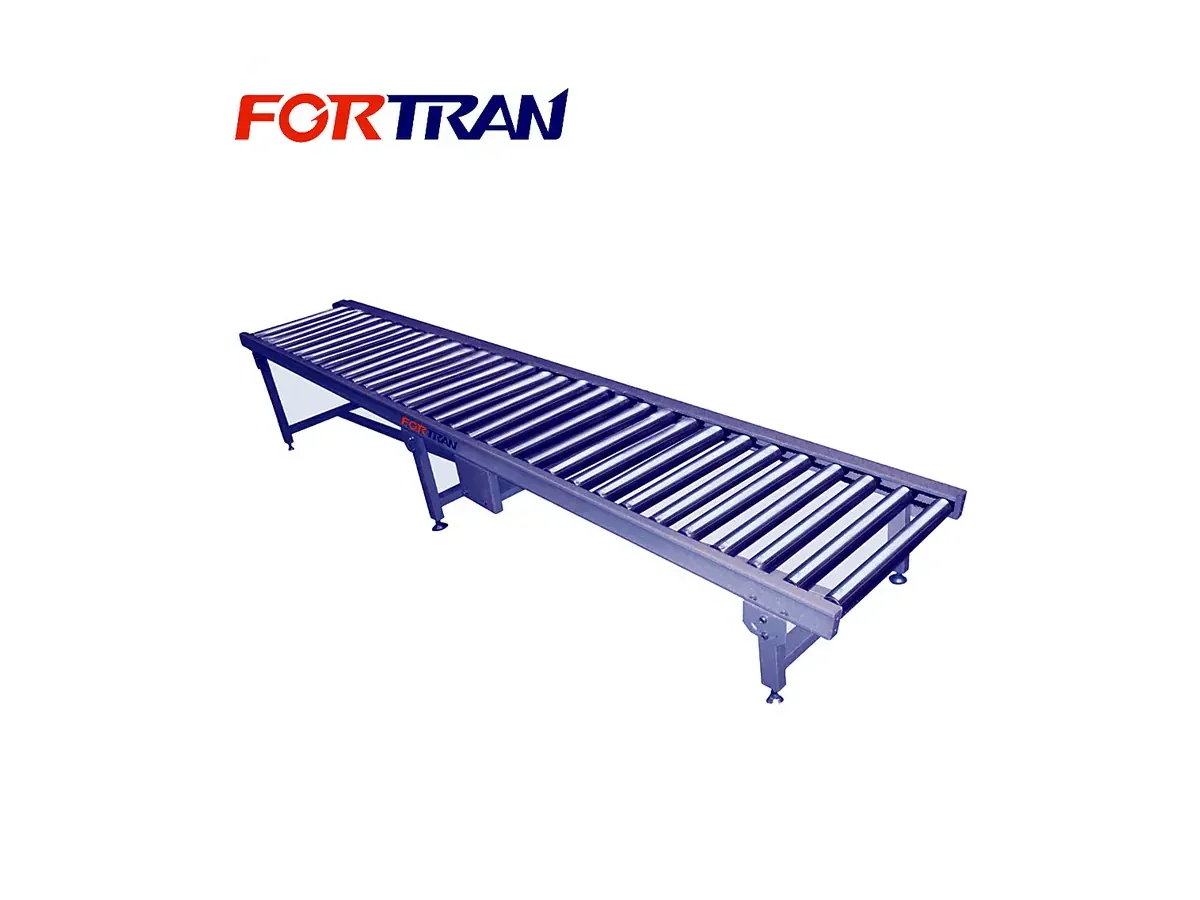
FORTRAN floor-level powered roller conveyor for furniture-panel loads. Specify the load base, roller support, route and transfer points before ordering.
View product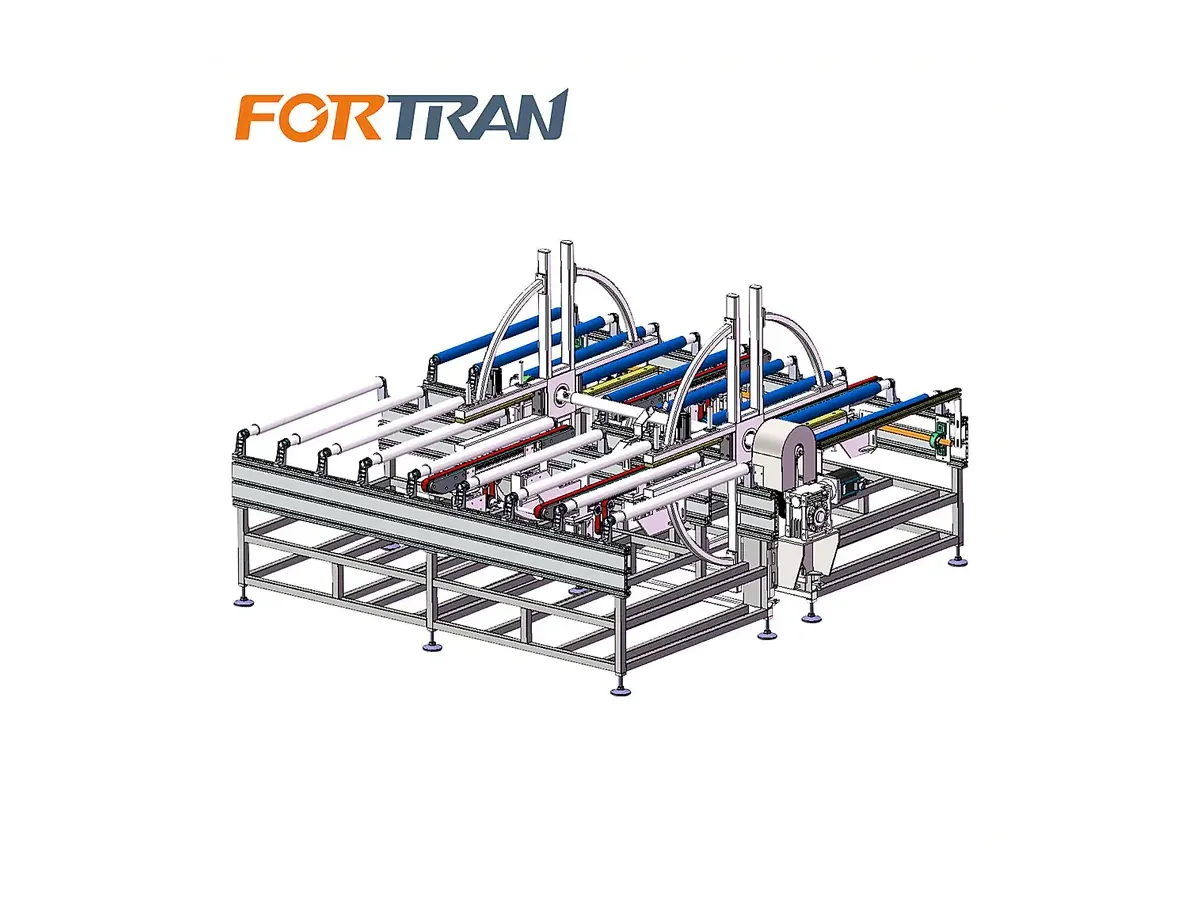
FORTRAN cross-frame panel turnover machine for connected production stages. Review the required face change, movement clearance and receiving support.
View product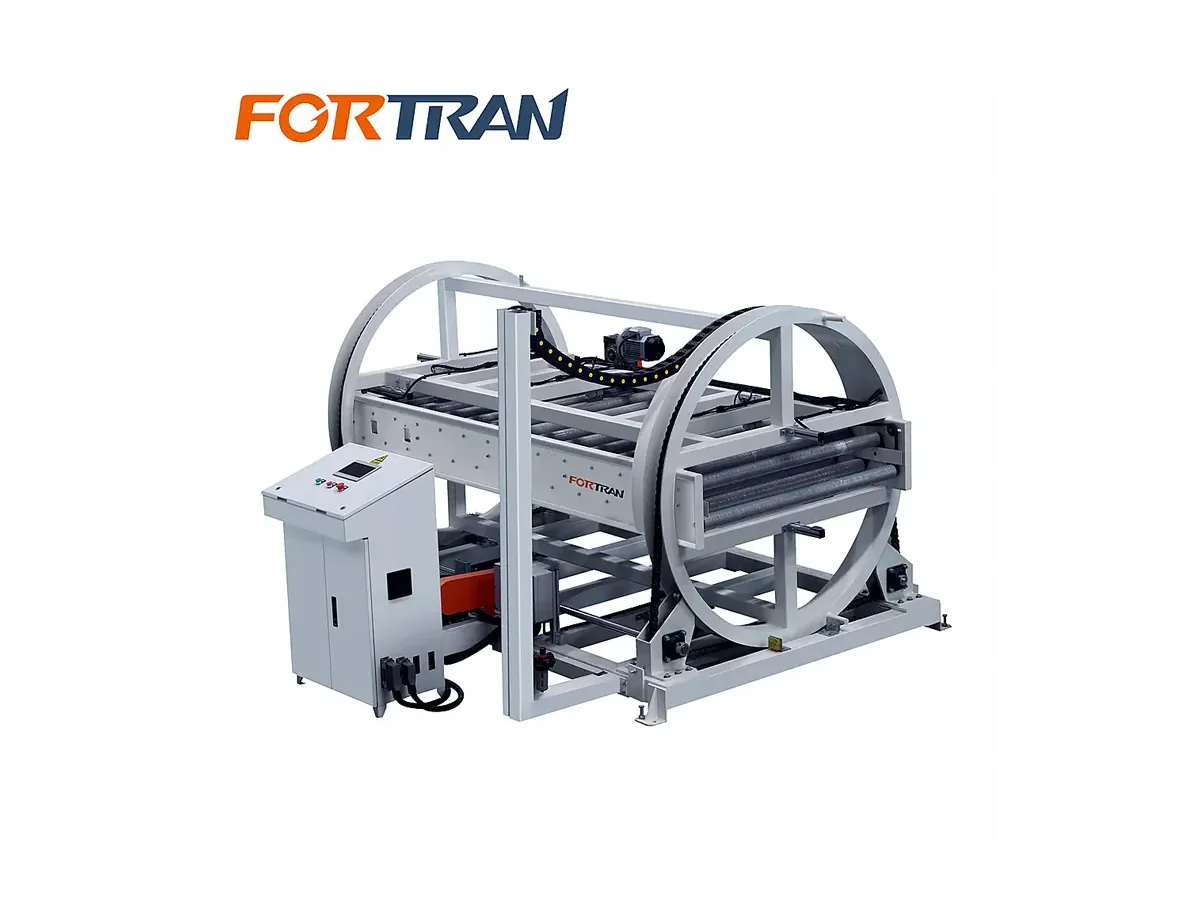
FORTRAN automatic panel turnover machine for woodworking lines. Specify face orientation, workpiece range and adjoining stations for a configuration review.
View product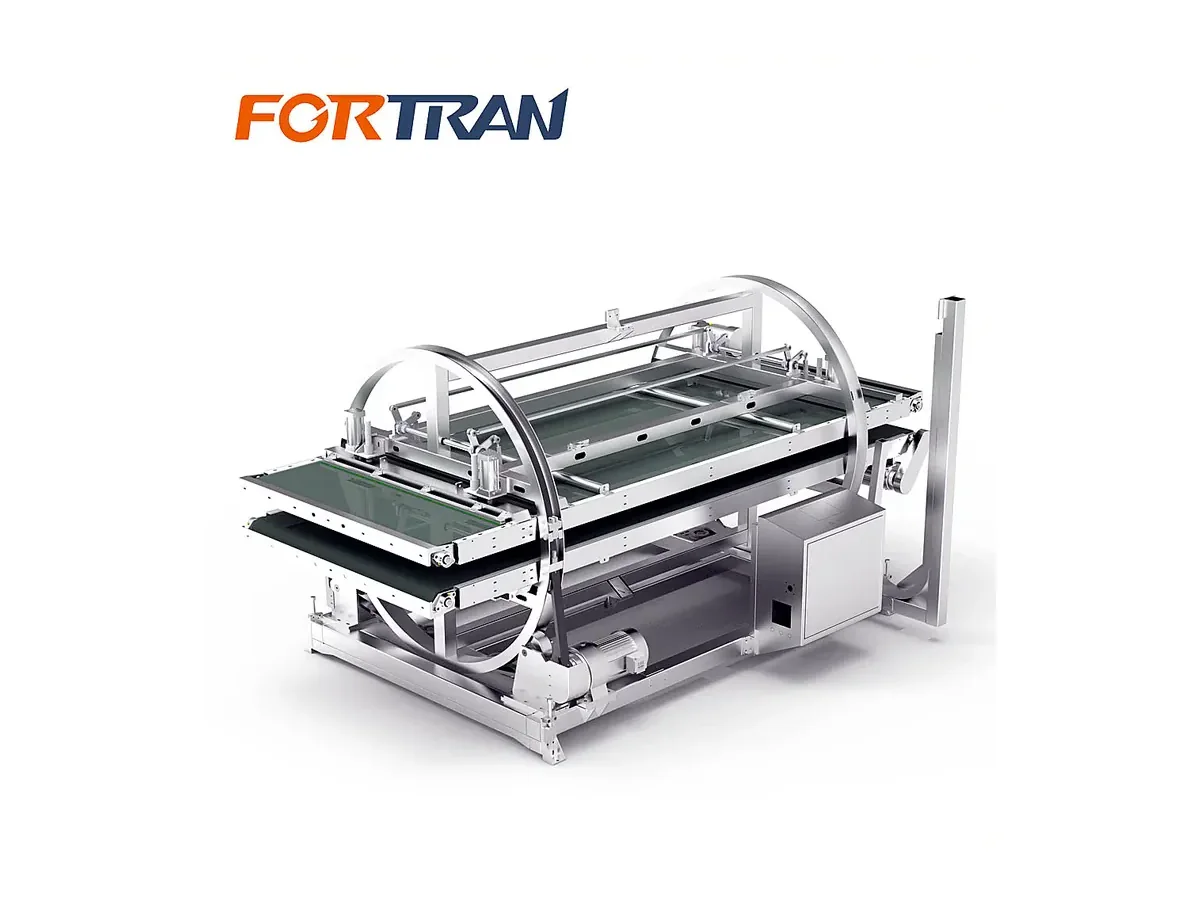
FORTRAN belt-type panel turnover machine for woodworking. Review belt contact, workpiece support and sanding or finishing line connections.
View product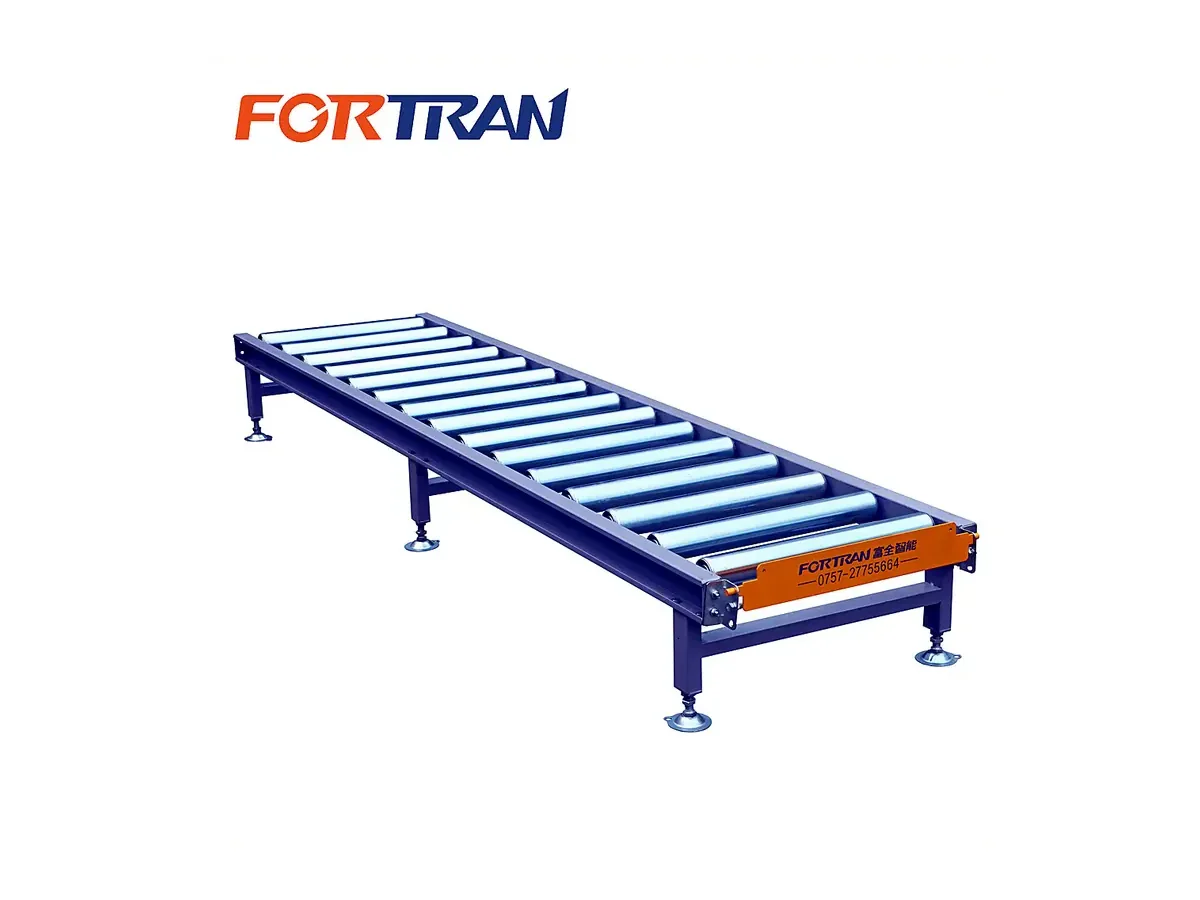
FORTRAN unpowered roller conveyor for furniture panels and packages. Define manual or gravity-assisted movement, underside support and stopping points.
View product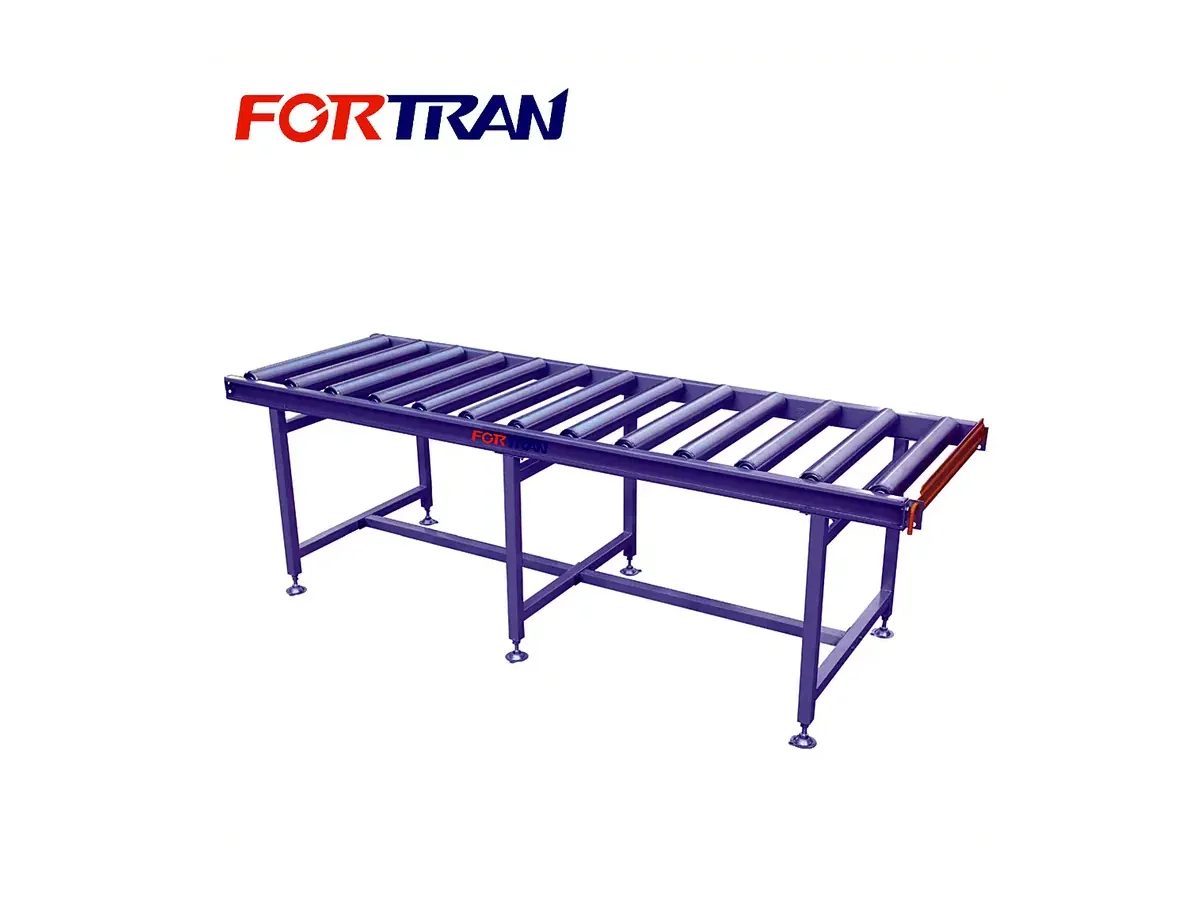
FORTRAN gravity roller packaging line for manual packing and inspection. Plan workstations, load movement and transfer controls around the package mix.
View product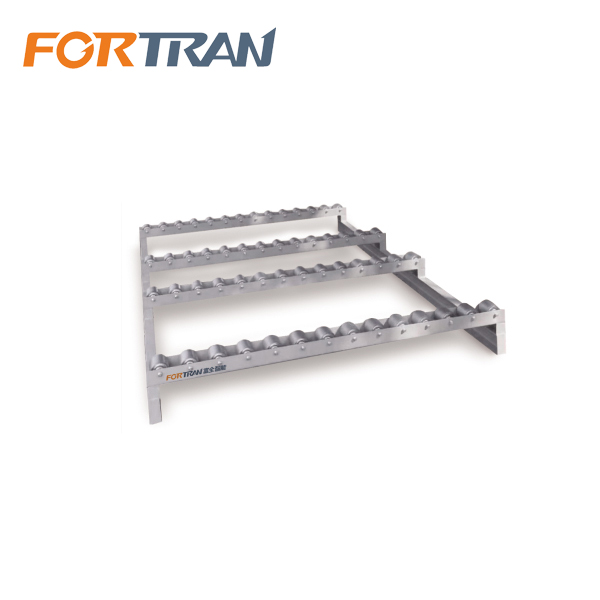
FORTRAN cold press roller table for furniture-panel transfer. Review press access, load support and the receiving height at each handover.
View product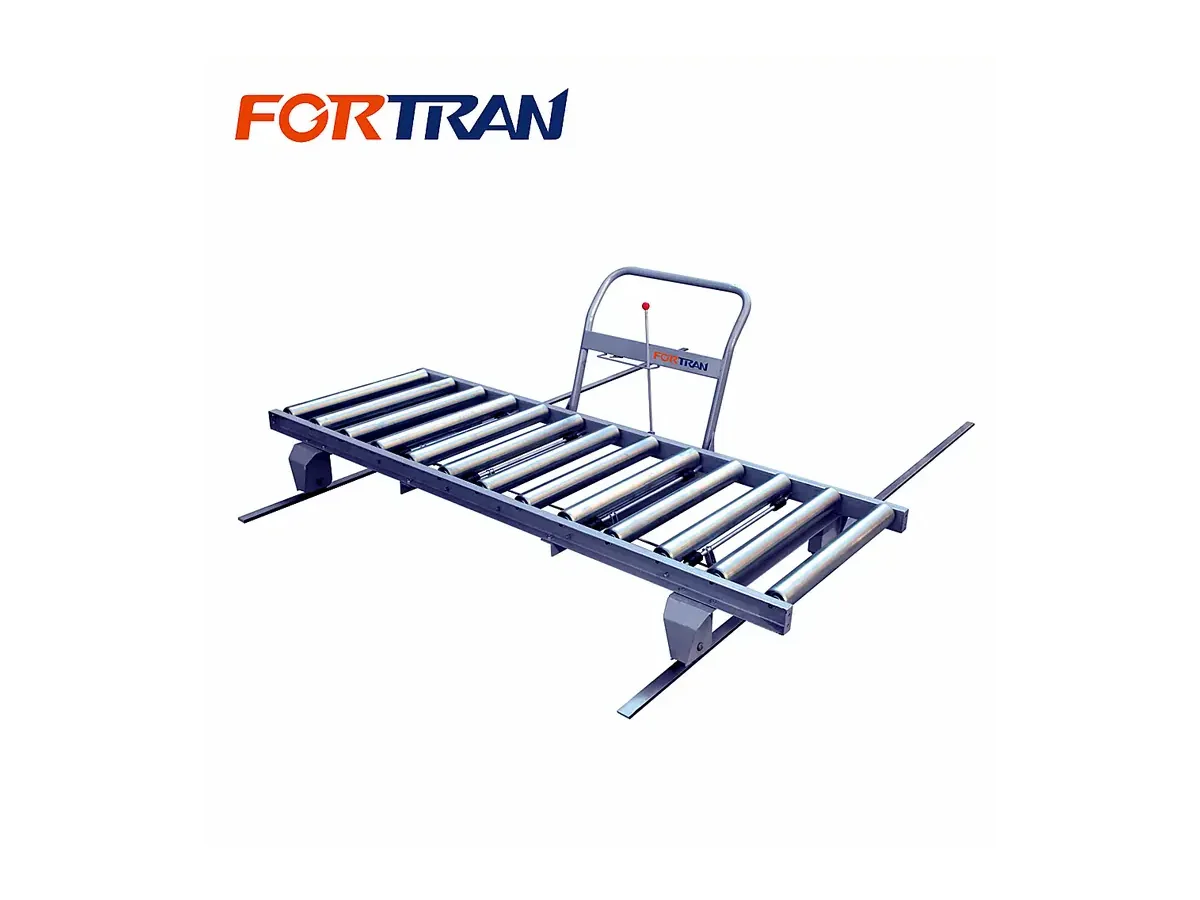
FORTRAN manual roller turntable transfer trolley for panels. Plan the mobile route, roller handovers and required change of direction between stations.
View product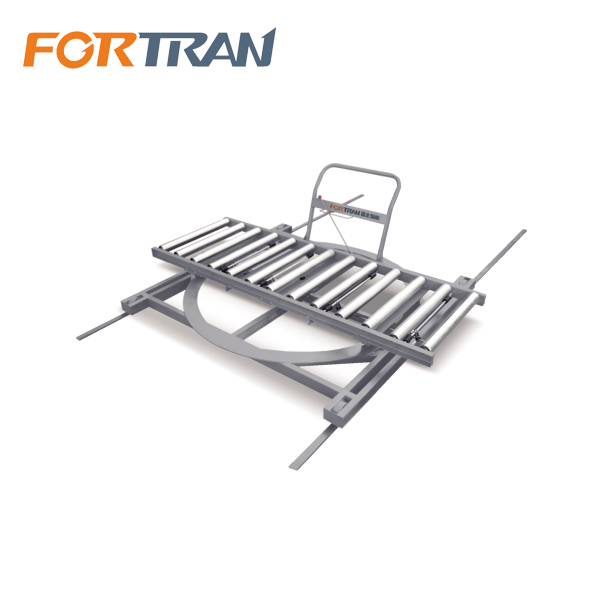
FORTRAN roller turntable transfer trolley for wood-panel handling. Review route clearance, load orientation and the receiving conveyor connection.
View product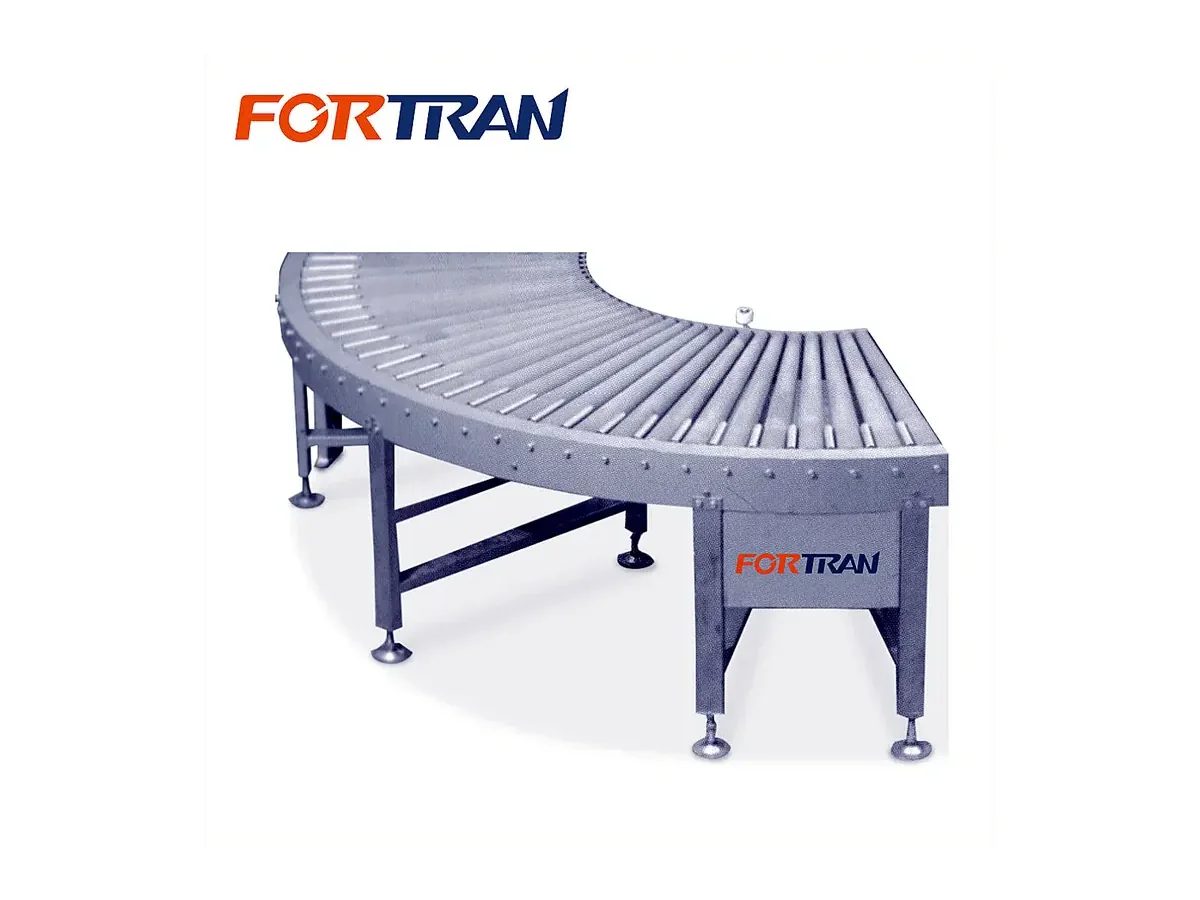
FORTRAN curved powered roller conveyor for furniture-panel transfer. Match the change of direction, panel footprint and corner handovers to the layout.
View product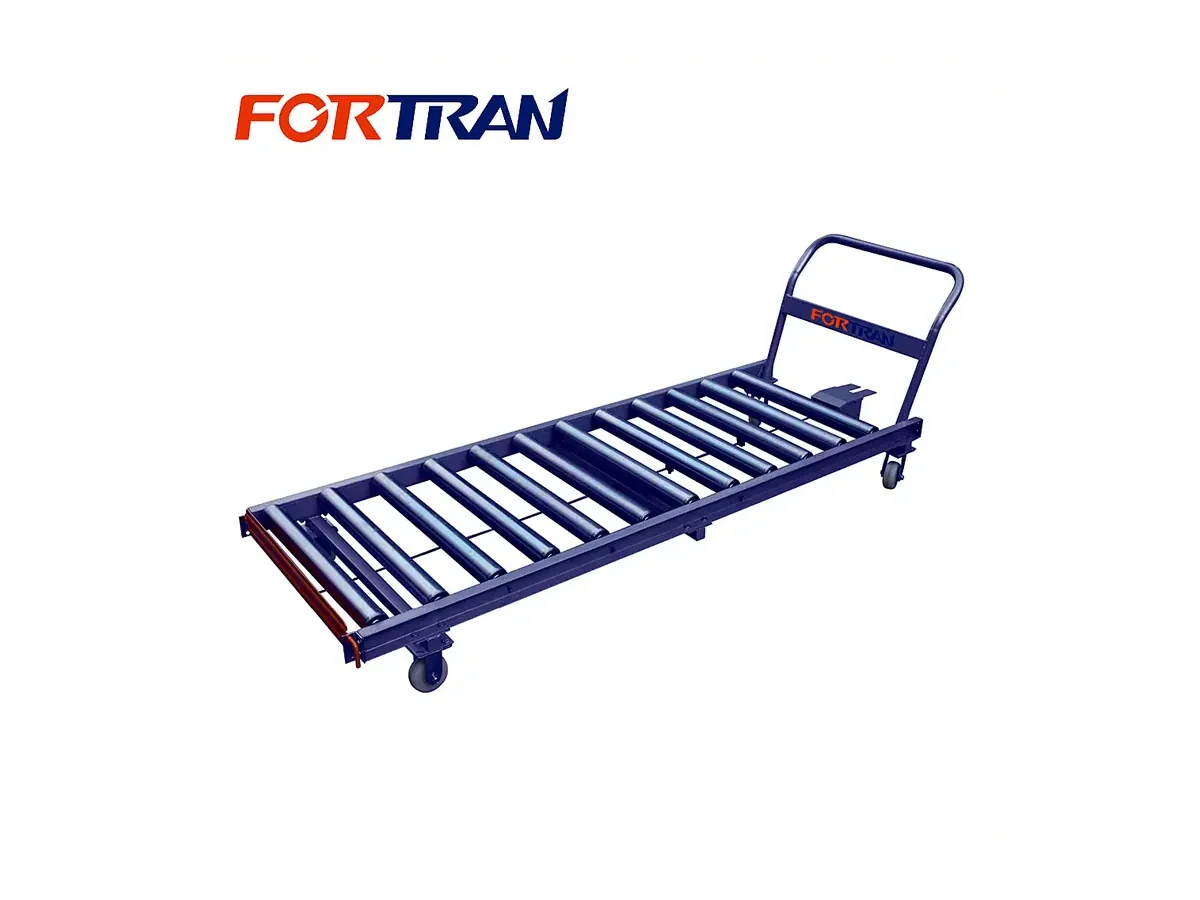
FORTRAN roller panel transfer trolley for manual workstation handling. Review load support, route conditions and receiving-conveyor heights.
View product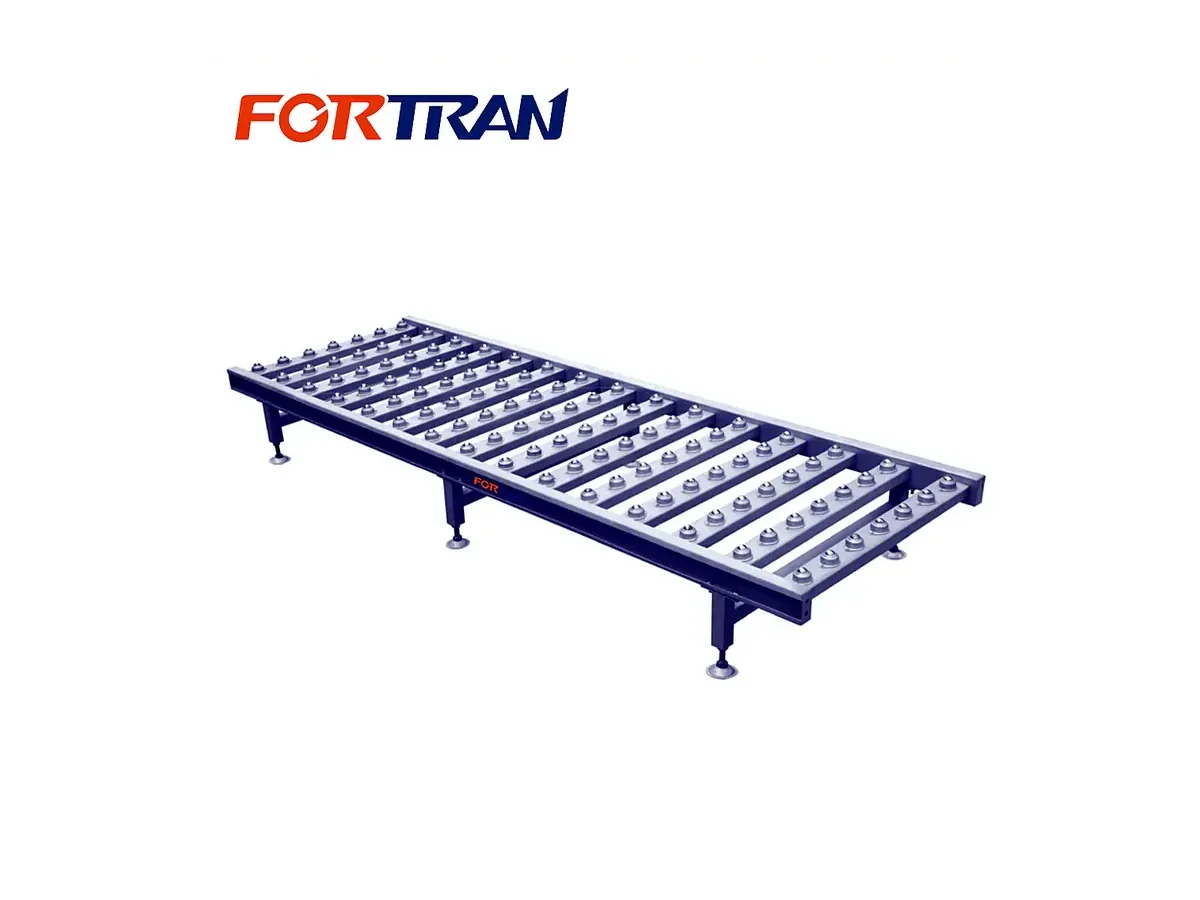
FORTRAN ball transfer table for multidirectional wood-panel positioning. Match underside contact, support spacing and the manual handling task.
View product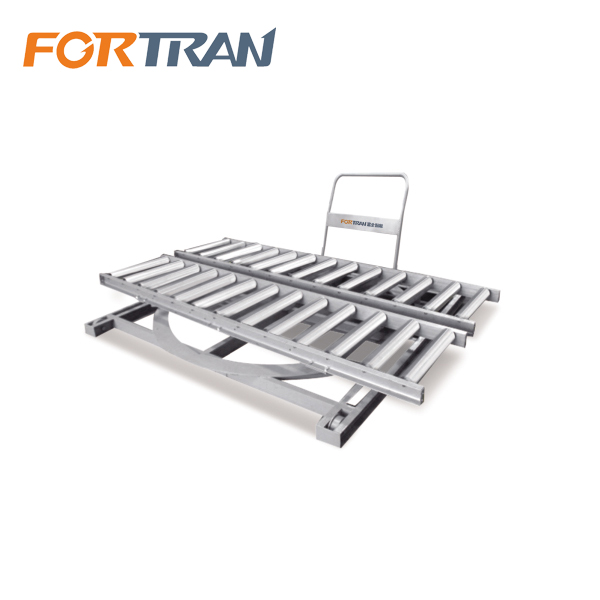
FORTRAN double-row roller turntable trolley for panel transfers. Review load support across both rows, route clearance and directional handovers.
View product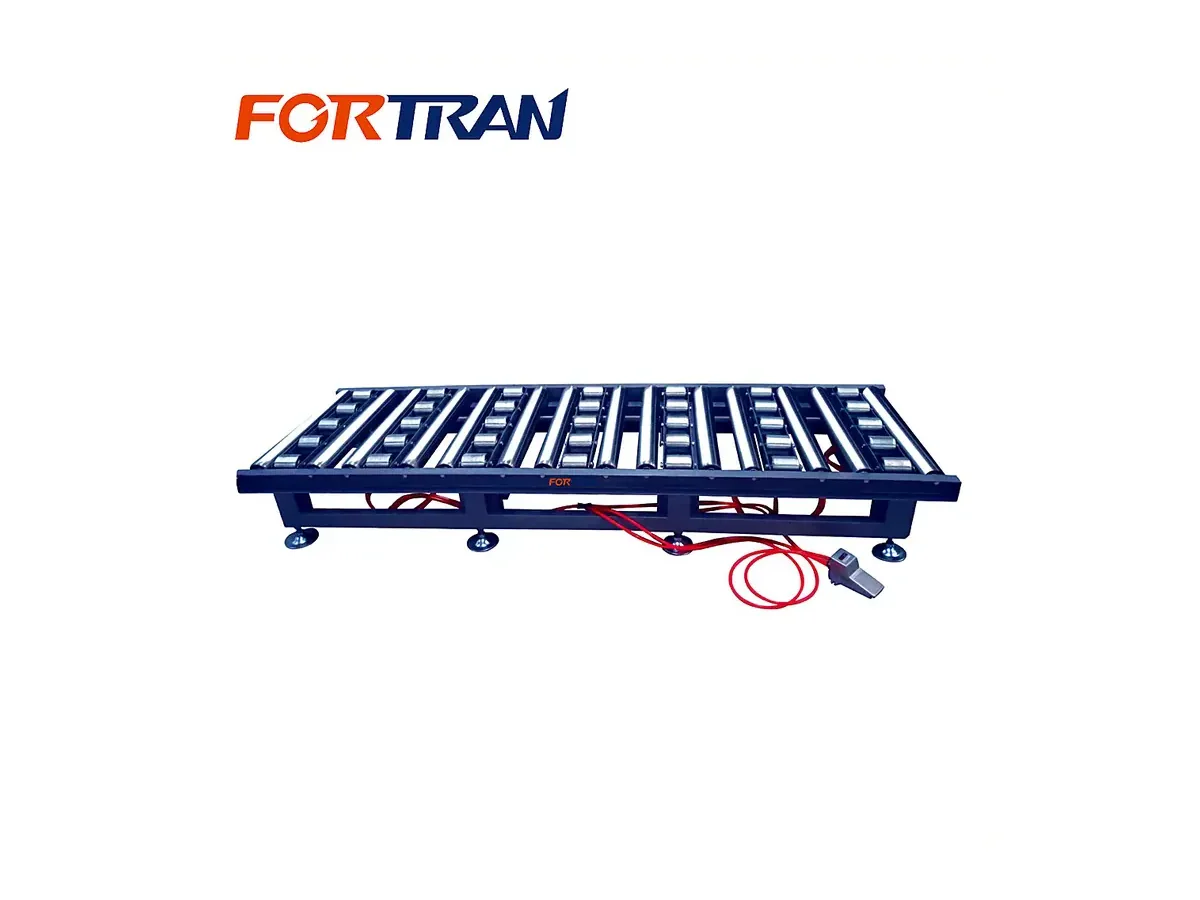
FORTRAN cross-transfer panel conveyor for longitudinal and lateral movement. Specify transfer routes, workpiece support and adjoining conveyor interfaces.
View productConfirm panel dimensions, weight and manual or powered handling needs.
Check adjacent equipment heights and conveying direction.
Select straight conveyors, turning equipment or mobile transfer units for the layout.
Panel conveying equipment supports movement between woodworking production stations. Powered roller conveyors provide driven movement, while unpowered roller conveyors require an external moving force. A floor-level conveyor describes its installation height; it does not establish whether the conveyor is powered.
Match the conveyor to the panel underside, dimensions and weight, then check roller arrangement, working height, travel direction and the transfer to adjacent equipment. Curved conveyors and transfer trolleys address different layout needs; a trolley is not automatically a continuous powered conveyor.
| Equipment | Transfer method | Check before selection |
|---|---|---|
| Floor-Level Powered Roller Conveyor for Panels | Powered rollers | Load underside, roller spacing and height |
| Gravity Roller Conveyor for Panels | Free rollers; external push on a level line | Load weight, stops and operator route |
| Curved Powered Roller Conveyor for Wood Panels | Powered rollers on a curved path | Turning space and receiving direction |
| Manual Roller Turntable Transfer Trolley for Panels | Manual trolley movement and rotating roller deck | Travel route, stop positions and load retention |
| 180° Wood Panel Turnover Machine | FQ-YFBJ24 | Reverse the panel face | Panel finish, movement clearance and conveyor handover |
Floor-level placement does not identify the drive. Check load support, working height and the receiving station.
No. Floor-level describes how the conveyor is arranged near the floor. Confirm the drive method separately, along with how panels enter, move through and leave the conveyor.
Do not assume the same arrangement suits both. Confirm the underside support, dimensions, weight and roller spacing for the actual workpiece or pallet, and review the interfaces with adjacent equipment.
Use turnover when the next operation needs the opposite panel face. A curved conveyor changes the conveying path. Define the required face and travel direction separately.
Packaging · Conveying · Lifting · Loading · Cleaning